
Choose the kind of hoodie you are looking for
An AllChinaBuy hoodie spreadsheet can contain pullovers, zip-up styles, cropped cuts and coordinated sets under a single category. Begin by choosing the garment type and intended fit. Decide whether you want a separate hoodie or a set, and whether a particular print, closure or pocket arrangement matters. A broad product title is not enough to establish which pieces the selected option includes.
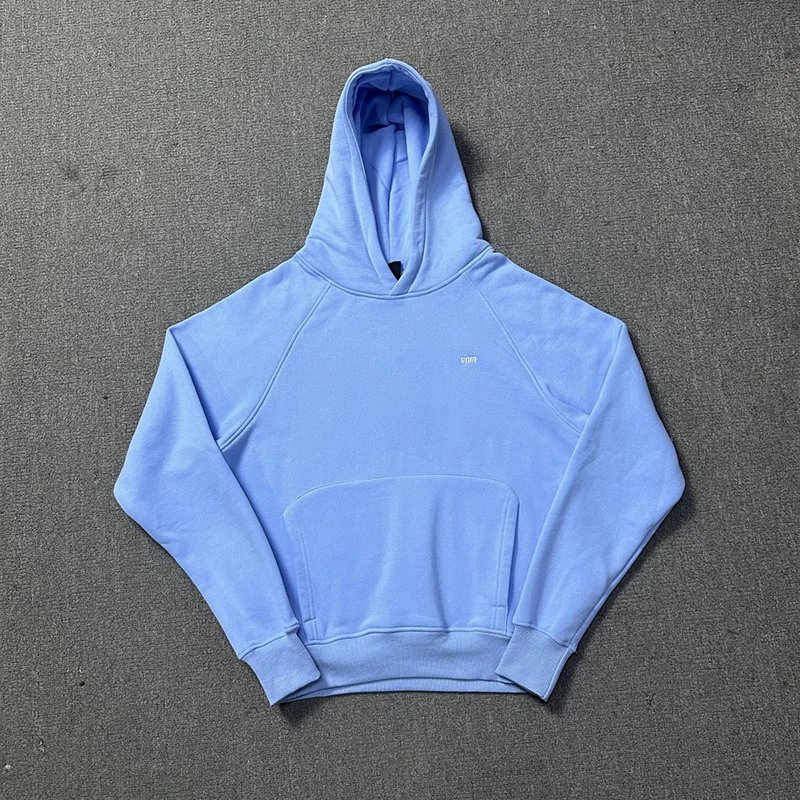
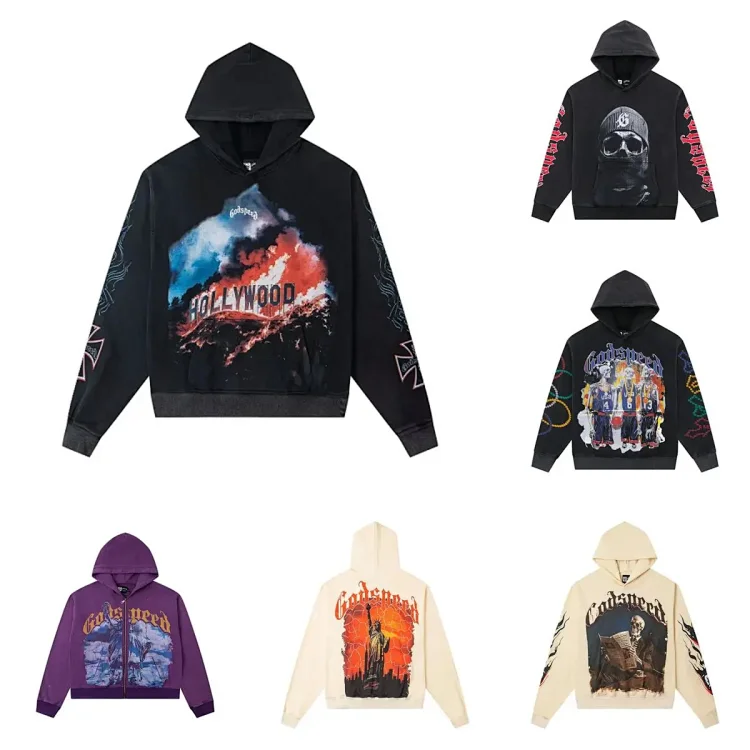
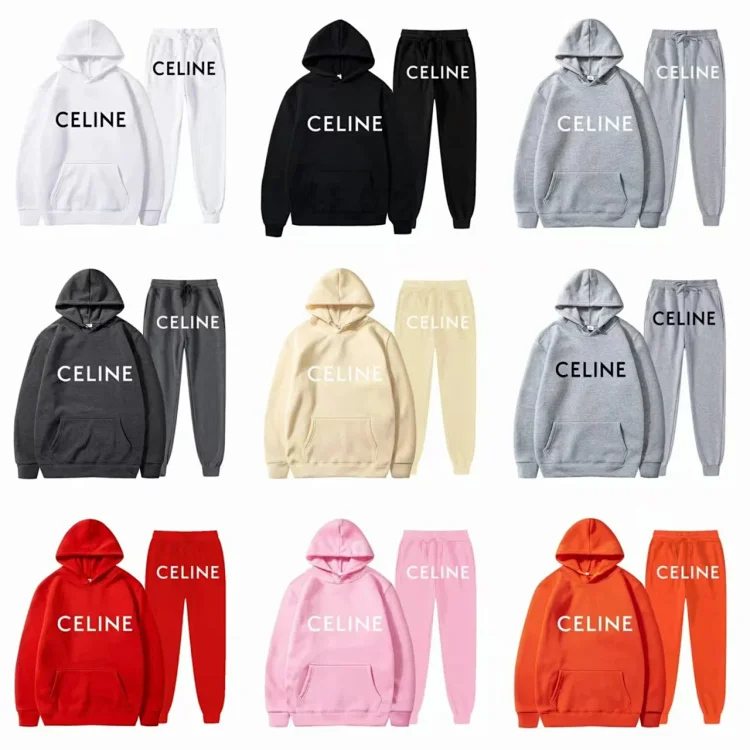
The existing selection includes 6PM Hoodie Set, Godspeed Hoodie and Celine Hoodie cards. These are links to destination products, not personal reviews or authenticity assessments. Their photographs illustrate the listed items and are not warehouse QC photographs for your own order. AllChinaBuy's public homepage displayed a maintenance notice on 7 October 2026; a product discovery page does not establish that official purchasing or warehouse functions are currently available.
Use a garment you already own as a reference
Lay a hoodie that fits as intended on a flat surface. Record chest width, body length, shoulder width and sleeve length, together with the points between which you measured. Avoid stretching the fabric to reach a preferred number. The purpose is to create a consistent comparison, not a laboratory specification. Photographing the tape placement can help you repeat the same method later.
Compare those numbers with the chart belonging to the exact seller and version. Letter sizes alone are weak evidence because cuts differ. A size labelled large may be wider but shorter than another large, and a dropped shoulder can change the meaning of sleeve measurements. Do not combine a sleeve number measured from the shoulder seam with one measured from the centre back without identifying the difference.
Separate width, length and shoulder shape
An oversized fit is not simply a larger number on every dimension. Some garments are wide and short, while others are long with relatively narrow sleeves. Decide which proportions matter to you, then compare those measurements independently. A promotional image on a model can suggest a silhouette, but pose, styling and unknown body measurements make it an uncertain guide to your own fit.
For a zipped hoodie, consider how you intend to wear it and inspect the available views of the closure and hem. For a pullover, look at the hood opening and neck construction as well as the body. These observations help define the comparison; they cannot confirm comfort or freedom of movement from a photograph. Keep the listing's stated measurements separate from your expectations about how the garment will feel.
Verify what a coordinated set includes
A photograph of a hoodie and trousers may advertise several purchase options. One option could be the top, another the trousers and another the complete set. Read the selected variant and quantity before comparing price. Record the size of each piece when separate sizing is offered. Do not assume that selecting a large top automatically chooses the same size or any size at all for a second piece.
For the existing 6PM-labelled set card, the destination option remains the authority for included pieces, colour and sizing. This directory does not establish that every option contains a two-piece bundle. A useful record preserves the option text and image alongside the price so that an apparent bargain is not caused by comparing one garment with a complete set. Resolve unclear bundle wording before payment rather than at warehouse intake.
Evaluate fabric descriptions without inventing quality claims
A listing may state a fibre blend, lining type or fabric weight. Treat these as seller-provided details unless you have independent evidence. Product mass and fabric weight per square metre are different measurements: a heavy parcel can include packaging, and a large garment can weigh more without using a denser fabric. Keep the units and the source with the number.
Photographs can show visible texture, stitching and construction, but they cannot establish softness, warmth, shrinkage or long-term pilling. Avoid ranking products as the best quality based only on a card image or price. If a specific material property is essential, look for reliable information tied to the exact version. An honest shortlist can say that a property is unverified instead of replacing missing evidence with promotional language.
Record the full option price and later costs
Choose the correct colour, size and included quantity before saving the displayed price. Record the currency and check date. If the listing provides a USD estimate, distinguish it from the amount charged by the payment service and any conversion fees. A lower starting price may refer to a different garment or option, so comparisons should use equivalent selections rather than the first number visible in the grid.
Domestic delivery, service options, packing and international freight may be separate costs. Hoodies can be bulky even when their scale weight seems manageable. Budgeting from product price alone can therefore be misleading. Keep uncertain amounts marked as estimates until a current quote is available. This guide does not promise a fixed cost per kilogram or a saving from consolidation, and it does not establish which routes currently operate.
Inspect the garment received at the warehouse
Start a hoodie QC review by confirming the number of pieces, selected colour, size label and overall garment type. Then inspect the front, back, cuffs, hem, pockets and closure where applicable. Compare print or embroidery placement with the option you ordered, while remembering that lighting and perspective affect appearance. Look for visible stains, holes, missing components and clear construction problems.
If a measurement could change your decision, request a flat photograph with the tape endpoints visible when that service is available. Specify chest width or body length rather than asking for a general size check. A close-up should answer one material question. Warehouse photos can help establish visible identity and condition, but they do not certify authenticity, comfort, composition or durability. Save the inspection outcome with the evidence used to reach it.
Consider compression and protection together
Compression can reduce the external volume of some clothing parcels, but it is not a universal answer for every hoodie. Thick embellishments, delicate prints, hardware or structured details may need a different packing approach. Check the service's available options and describe the feature you want protected. Do not request aggressive compression simply because another customer's plain sweatshirt was packed that way.
Compare the complete parcel before and after a proposed packing change when measurements are available. A smaller volume may matter on a route that bills volumetrically, while another billing step may leave the charge unchanged. Keep the product's protection needs alongside the cost comparison. Removing every piece of packaging without understanding its purpose can trade a small theoretical saving for a greater risk of avoidable damage.
Make a selection that can be checked again
Finish with a record containing the exact option, included pieces, reference measurements, seller chart, dated price, unresolved questions and eventual QC result. Compare two or three suitable candidates using the same fields. A candidate with missing measurements should remain on hold rather than receiving a confident fit recommendation. The aim is to make the decision explainable and repeatable, not to fill the largest possible spreadsheet.
Use the hoodie category and existing product cards to begin discovery, then return to the current destination page before acting. Keep the account, order and parcel stages separate from research. Source basis: existing site product references, independent garment measurement and visible inspection guidance, and the official platform maintenance notice observed on 7 October 2026. There is no claim of personal wear testing, verified stock, guaranteed delivery or a universal sizing rule.
When a listing is replaced, repeat the measurement comparison for the new version. Do not transfer a previous fit assumption simply because the product title looks similar. Preserve the old record as a reference, but clearly identify which chart and selected option belong to the current candidate before continuing.
The official AllChinaBuy homepage displayed maintenance on 7 October 2026. Older platform instructions are historical context, not confirmation of current availability. Product images illustrate destination listings and do not establish authenticity, warehouse inspection or personal testing.