
Start a shoe shortlist with measurable requirements
An AllChinaBuy shoes spreadsheet is most useful when it reduces a broad product search to a few pairs you can compare. Start with intended use, the size system you understand, the colours you would wear and your total budget. A familiar product name is only a starting point. The actual seller page must show which model, colour and size are included in the selected option.
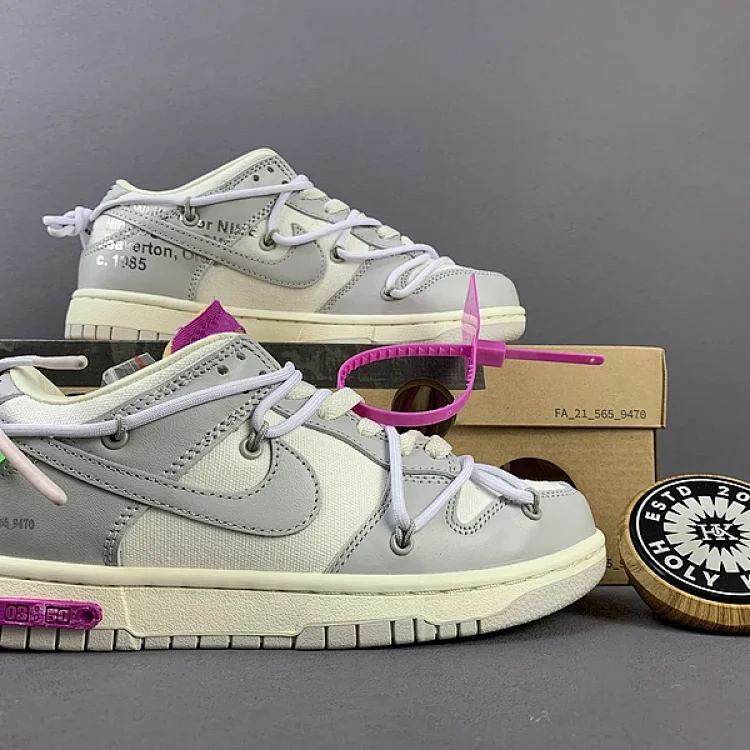
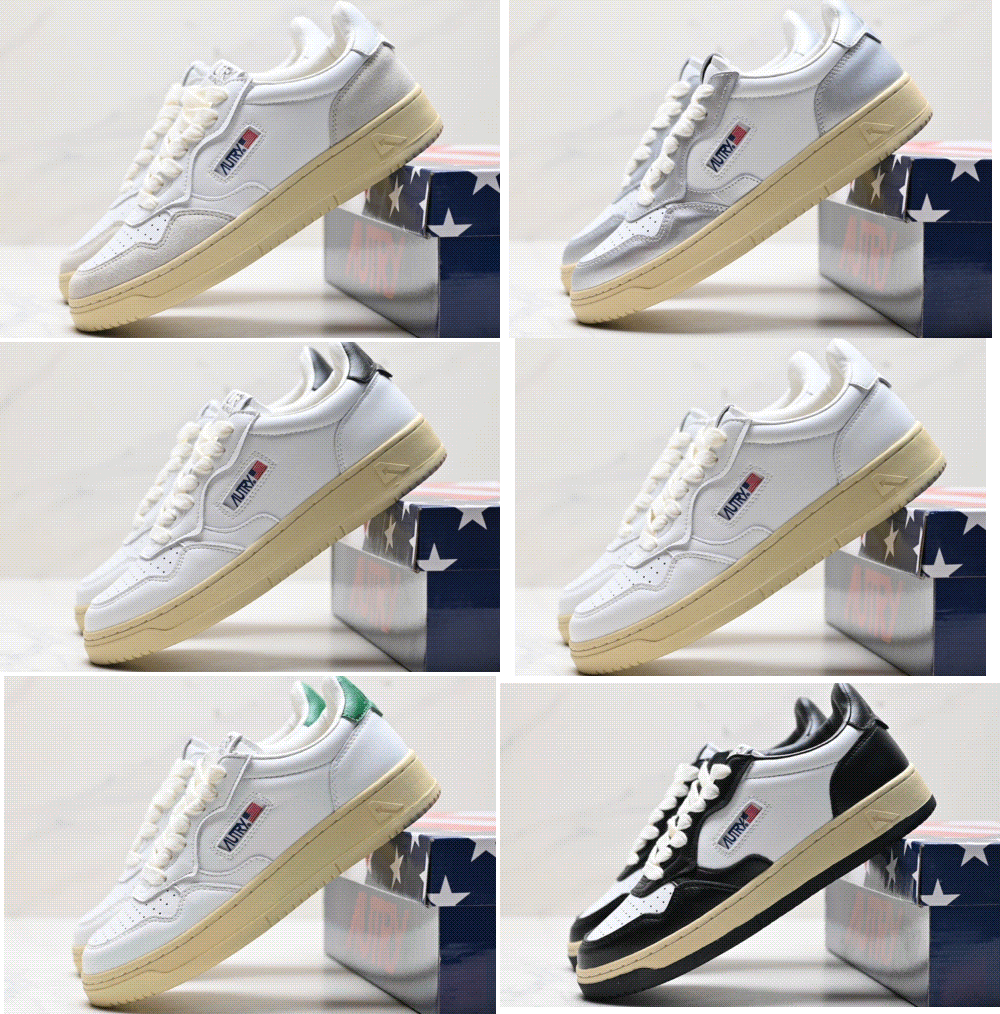
This guide uses product discovery and inspection principles, not personal wear tests. The shoe cards on this site are links to destination listings, and their images are product illustrations rather than QC evidence for your order. AllChinaBuy's official homepage showed a maintenance notice on 7 October 2026. Do not interpret a working product card or this sizing guide as confirmation that an official account or purchasing function is currently available.
Keep one record for each exact listing
Record the product name, destination link, selected colour, listed size system, price shown for that option and the date you checked it. If two listings use the same photograph, keep them as separate records until their seller and option information match. A shared image does not establish identical construction, materials, sizing or after-sales terms. Compare what the page actually states rather than what the title suggests.
The current selection includes Nike Dunk Low × Off-White and Autry-labelled shoe listings. These names identify the existing destination cards; this directory does not certify authenticity or claim that it has tested those pairs. Open each destination page and confirm the product, images and available options before using it in a shortlist. If a page changes to another item, the previous card is no longer sufficient evidence.
Compare the seller's size system with your own reference
Use the size chart attached to the exact listing. EU, UK, US and centimetre labels do not automatically have the same relationship across every seller or product. Check whether a centimetre figure refers to foot length, insole length or another measurement. Those measurements are not interchangeable, and choosing a size from an unexplained number can produce an avoidable mismatch.
Measure both feet using a consistent method and note the larger result, but follow the seller's stated sizing method when comparing it with the chart. A pair that already fits provides another useful reference if you know its labelled size and fit characteristics. Do not publish one universal conversion table as a guarantee for unrelated shoes. When the seller's chart is missing or contradictory, record the uncertainty before ordering.
Treat width, shape and intended use separately
Length is only one part of fit. Toe shape, width, instep space and the way the heel sits can change how two shoes in the same labelled size feel. A photograph may reveal a broad shape, but it cannot show pressure, comfort or how the shoe moves on your foot. Keep observations and assumptions in separate columns so that a visual impression does not become a claim about wearability.
For everyday use, decide which features matter to you and whether the listing provides evidence for them. Avoid treating a running-style appearance as proof of suitability for a particular sport or training load. Material descriptions and cushioning claims should remain attributed to the seller unless independently tested. If a feature is essential and cannot be established from the available information, a different listing may be a better research choice.
Compare the complete option price
A product grid can display the lowest price among several options. That amount may refer to a different size, colour, accessory or variant from the photograph that attracted you. Select the exact option before recording the price. Keep the currency, date and included quantity beside the amount. An estimated USD conversion should be labelled as an estimate and distinguished from the amount charged at checkout.
Keep domestic delivery, any payment or service charges, packaging and international freight separate from the shoe price. The cost of the pair alone is not a delivered total. This guide does not provide a fixed freight price or promise a particular saving. When current purchasing and shipping functions are available, use the applicable quote and the parcel's measured information rather than a price copied from an old haul.
Plan a shoe-specific QC photo sequence
For an order that reaches a warehouse, begin with a photograph showing both shoes together. Compare the colour, general shape, size labels and number of pieces with your saved selection. Then examine the fronts, heels, sides and soles. Request another angle when a relevant area is hidden. A single attractive photograph cannot replace a consistent set of views of the actual pair received.
Look for visible damage, obvious asymmetry, missing components or a mismatch with the requested option. Lighting and perspective can alter colour and shape, so identify the exact concern before drawing a conclusion. A close-up is useful when it answers a specific question, such as whether a mark appears on the material or only in the lighting. Photos do not establish authenticity, comfort or long-term durability.
Make measurement requests easy to understand
If the platform offers additional photographs or measurements, explain the measurement you need and how its endpoints should be shown. Request a clear view of the size label and ask the service to identify whether a reported length is an insole measurement or a different measurement. Do not assume that the warehouse can disassemble a shoe or perform a specialised fit assessment.
For example, a useful request identifies the order reference, the measurement and the need for the tape endpoints to be visible. A vague request to check whether the shoes are good does not tell the person taking the picture what evidence would resolve your concern. Compare the returned image with the seller's method and your saved reference, and retain the image with the order record.
Decide whether the original box matters
Keeping or removing a shoe box is a tradeoff involving protection, presentation and parcel dimensions. If the original packaging matters to you, state that preference before packing. If it does not, compare the protective alternatives actually offered by the service. Removing a box may reduce bulk, but it does not guarantee a lower final freight charge because the route's billing rules and complete parcel dimensions still matter.
Record the decision separately for each pair. Several boxes may affect a consolidated parcel differently from a single pair sent alone. Use the final external dimensions rather than adding together optimistic item estimates. Do not recommend removing all protection just to reach a lower weight. The useful decision balances the kind of shoe, the packing options, the planned route and the condition in which you want it to arrive.
Turn the comparison into a clear decision
Use a final comparison with columns for exact option, sizing evidence, visible product details, unresolved questions and cost components. Two or three well-documented candidates are usually easier to judge than dozens of nearly identical cards. Keep a listing on hold if the size chart, variant identity or included quantity remains unclear. A lower displayed price does not resolve those missing facts.
When an order is possible, save the final selection and keep the same record through warehouse inspection and parcel planning. Product discovery, QC and delivery are separate decisions that should refer to the same item. Source basis: existing site product cards and general measurement and inspection practice; platform status checked on 7 October 2026. No new personal review, authenticity assessment or guaranteed fit result is claimed.
If you replace a shortlisted pair with another listing, repeat the option and size checks from the beginning. Similar names and photographs do not transfer the previous evidence to a new seller. Keep the old record marked as replaced so that later warehouse images are compared with the product actually ordered.
The official AllChinaBuy homepage displayed maintenance on 7 October 2026. Older platform instructions are historical context, not confirmation of current availability. Product images illustrate destination listings and do not establish authenticity, warehouse inspection or personal testing.